UK Manufacturing Competitiveness Crisis
British manufacturers pay dramatically higher electricity costs than international competitors, threatening UK industrial viability.
UK Manufacturing Electricity Costs 2026: Why British Factories Pay 40% More Than EU
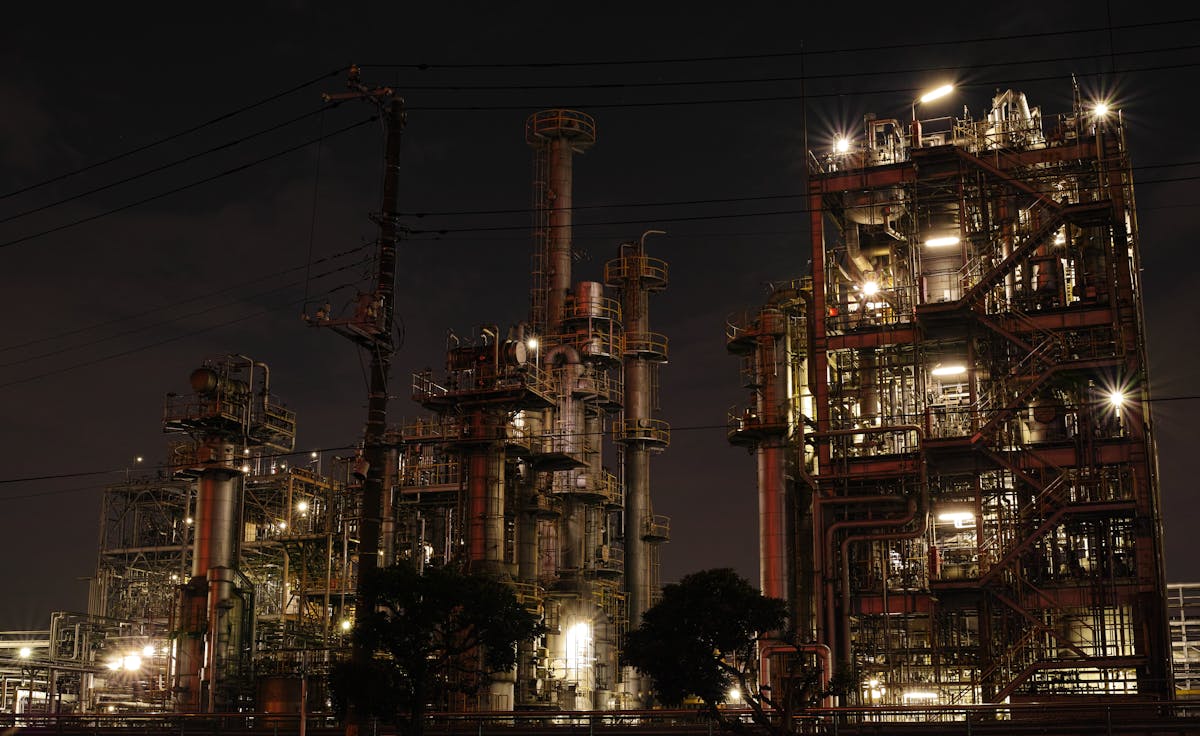
UK manufacturers face a severe competitiveness crisis driven by electricity costs that are approximately 40% higher than key European competitors Germany and France, and roughly four times higher than the United States. This cost differential threatens the viability of British industry and requires immediate action.
The UK Industrial Electricity Cost Crisis
In 2025, UK industrial electricity prices average 30p+ per kWh, while German and French manufacturers pay around 21-22p/kWh. American manufacturers benefit from rates as low as 7-8p/kWh in some states. This disparity creates an insurmountable competitive disadvantage for energy-intensive UK manufacturing.
International Electricity Cost Comparison (2025)
Source: International Energy Agency, UK Government DESNZ, industry surveys 2025
What's Driving UK's Premium Electricity Costs?
1. Network and Transmission Costs
UK electricity bills include substantial network charges to maintain and upgrade the transmission and distribution infrastructure. These costs are higher in the UK due to:
- Aging infrastructure requiring significant investment
- Geographic challenges with dispersed generation
- Higher financing costs for network operators
- Complex regulatory structures
2. Policy and Environmental Costs
UK manufacturers bear substantial policy costs embedded in electricity prices:
- Renewable Obligation Certificates (ROCs): Supporting renewable energy deployment
- Contracts for Difference (CfD): Guaranteeing returns for low-carbon generation
- Capacity Market: Ensuring generation adequacy
- Feed-in Tariffs (FiTs): Legacy small-scale renewable support
While these policies drive decarbonization, they disproportionately impact industrial electricity costs compared to competitor nations who structure policy costs differently.
3. Wholesale Market Factors
UK wholesale electricity prices are influenced by:
- Heavy dependence on gas-fired generation (gas price volatility)
- Limited interconnection with European markets
- Geographic isolation increasing price risk
- Historic underinvestment in low-cost generation
Real-World Impact
A medium-sized UK metal fabricator using 2,000 MWh annually pays £600,000 for electricity. The same consumption in Germany costs £440,000 (£160K savings), and in the USA just £150,000 (£450K savings). This cost differential eliminates profit margins and makes UK operations uncompetitive.
Government Response: 2027 Industrial Competitiveness Scheme
The UK Government has announced the British Industrial Competitiveness Scheme, set to launch in 2027. This program aims to:
Scheme Details:
- Reduce industrial electricity costs by approximately 25% through exemptions from certain policy costs
- Target energy-intensive industries most affected by cost differential
- Align UK industrial electricity costs closer to European averages
Why Waiting Until 2027 Is Problematic
While government action is welcome, waiting until 2027 presents significant challenges:
Challenges of Waiting
- • Three years of continued premium costs
- • Only 25% reduction (still above EU average)
- • Cumulative losses: £300K-£600K per facility
- • Risk of business closures before relief arrives
- • Lost investment opportunities
Solar Alternative
- • Immediate 40-70% cost reduction available NOW
- • System pays for itself before 2027
- • Benefits stack with government scheme
- • 25+ years of continued savings
- • Energy independence and stability
The Solar Solution: Immediate Cost Relief
On-site solar generation offers UK manufacturers immediate relief from premium electricity costs:
Solar Economics for UK Manufacturing
Case Study: Automotive Supplier, West Midlands
"Solar was essential for remaining competitive on international tenders. The cost differential with European competitors was unsustainable. Solar brought our energy costs in line with German rivals."
— Operations Director, Tier 1 Automotive Supplier
Annual Investment Allowance (AIA): Tax Benefits Boost Returns
Solar panels qualify for 100% Annual Investment Allowance (AIA), allowing profitable UK manufacturers to deduct the entire system cost against taxable profits in year one:
ECA Example: £300,000 Solar System
Industry-Specific Impact
Premium UK electricity costs disproportionately affect energy-intensive sectors:
Metal Processing & Fabrication
High electricity use from welding, plasma cutting, CNC machining, and heat treatment. Premium costs directly impact per-unit production costs and tender competitiveness.
Food Manufacturing & Cold Storage
24/7 refrigeration, freezers, and process cooling create massive electricity demand. Solar perfectly matches daytime operations for exceptional ROI.
Chemical & Pharmaceutical
Process heating, cooling, reaction vessels, and cleanroom HVAC demand constant power. High costs threaten UK production viability.
What Should UK Manufacturers Do?
Action Plan: Don't Wait for 2027
- 1. Assess Solar Feasibility Now: Evaluate your facility's suitability for solar. Most industrial buildings are excellent candidates with 10,000+ sqm of available roof space.
- 2. Calculate True ROI: Factor in Annual Investment Allowance (AIA), energy price inflation, and the cost of waiting until 2027 (£300K-£600K in lost savings).
- 3. Consider Solar PPA if Capital Constrained: Power Purchase Agreements offer zero upfront costs with immediate 25-40% savings.
- 4. Act Before Demand Surges: As more manufacturers recognize solar's necessity, installation capacity will tighten. Early movers secure better terms and faster installation.
- 5. Integrate with Business Strategy: Solar isn't just cost reduction—it's a competitive advantage, green credential, and hedge against future energy volatility.
Conclusion: Solar as Competitive Necessity
UK manufacturers face an unprecedented electricity cost crisis that threatens industrial competitiveness. While government intervention in 2027 will help, it arrives too late and provides insufficient relief for many businesses.
Solar generation offers immediate, substantial cost reduction—40-70% savings available today, not in three years. For energy-intensive UK manufacturers, solar has transitioned from "nice to have" to competitive necessity.
The choice is clear: wait three years for partial government relief while bleeding £300K-£600K, or invest in solar today and achieve energy independence, predictable costs, and competitive parity with European rivals.
Don't Wait Until 2027
Get a detailed feasibility assessment showing your potential savings vs the cost of waiting
Request Free Assessment